The cost of Silent Strength: Rethinking Masculinity and Emotional Strength
Boys are growing up watching their dads never cry; never admit to fear; never seek help; and are quietly determining that being a man means being lonely inside oneself for the rest of one's life.
Jessica Osei Owusu
23 April 2026
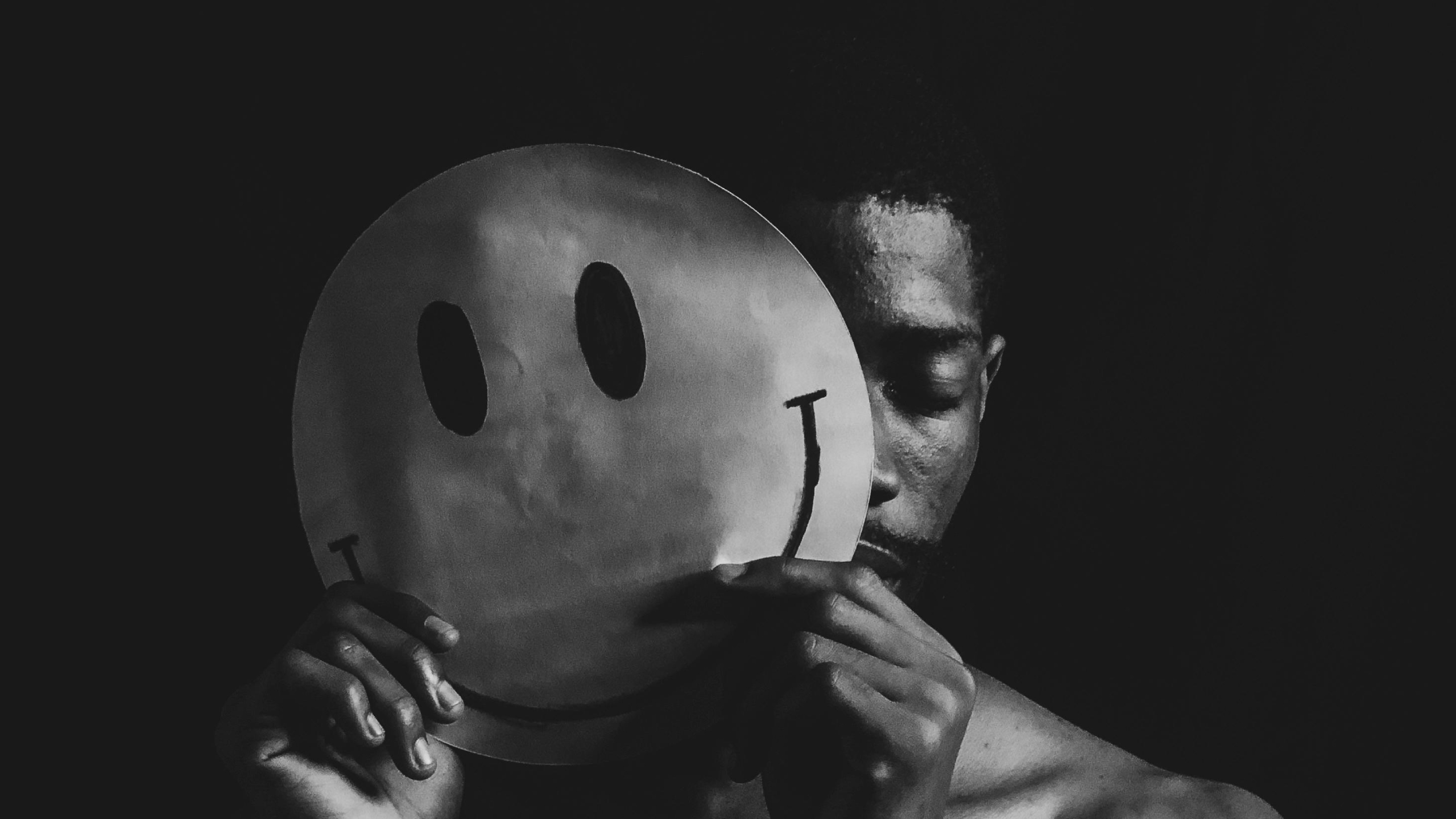
How cultural expectations shape men’s emotional lives and the hidden consequence of silence.
For many years we've venerated the quiet man. We've celebrated the man who doesn't complain. The man who carries his family, his responsibilities and even his personal anguish.
This has been the template of manhood in Ghana and across much of Africa for generations.
Be the rock.
Do not break.
Do not talk.
Do not show emotion.
That price tag is coming due now, and it's being paid by our men.
In clinical practice, one pattern is clear. Men often arrive in therapy late. Many do not come on their own. Most of them come because their wife scheduled an appointment for them (or because their bodies got tired of carrying the load and sent some signal like chest pains, insomnia, high blood pressure or a panic attack), very rarely do they walk in on their own and say, "I'm having a problem." They were taught as boys not to express such sentiments aloud. By the time they find their voice, things have gone far beyond what others around them realized.
The silence has consequences
Relationships begin to break down
Emotional distance grows within families
Stress-related illnesses go unnoticed
Many men carry pain for years without ever naming it
It is expensive. Suicide rates for men in Africa are rising steadily and are generally higher than suicide rates for women in nearly every country examined.
Marriage collapses because one partner carried everything quietly and didn't give any indication to the other partner that it was getting too heavy to carry.
Fathers die young of stress-related issues that likely could have been identified 10 years sooner had someone, including themselves, taken the time to listen to their hearts and bodies.
Boys are growing up watching their dads never cry; never admit to fear; never seek help; and are quietly determining that being a man means being lonely inside oneself for the rest of one's life.
I want to proceed carefully here. I am not advocating for men to become emotionally unencumbered. Composure is an important quality. A man that does not fall apart when confronted with minor setbacks is one that families can build lives upon. However, there is a distinction between composure and suppression, and it is within this distinction that lies the bulk of our problems.
Composure involves experiencing an emotional response to something, identifying the nature of that response, and acting wisely based on that identification. You experience fear. You recognize it. You name it mentally. You think clearly about how to respond. You respond. You might discuss it later with someone you trust. Composure creates depth in a man over time.
Suppressing an emotion is refusing to acknowledge it exists. Feeling the emotion but choosing to deny its existence by engaging in work, alcohol, anger, etc.; and then telling yourself you’re strong because you didn’t crumble. You did crumble. You just chose to do it somewhere no one else could witness. Suppressing emotions does not create a man; it erodes him, piece by piece. When he eventually loses control, he loses control in areas he couldn’t even articulate. At his children through rage. With his spouse through coldness. Through infidelity he cannot explain to himself. In sudden collapse in his mid-40s.
In our culture there exists a proverb that states a man should cry in his heart and not with tears. Wisdom exists in that statement when it suggests "don't freak out in front of your children so they feel safe at home." Damaging sentiment exists in that statement when it implies "you should never speak of your innermost feelings to anyone for the remainder of your life." Our forefathers were not instructing their sons to live out their entire lives alone. They were providing instruction as to how to conduct themselves publicly. They still had brothers, elder relatives, wives behind closed doors, gods, etc. They weren't silent — they were simply selective.
To all of the men who read this:
The people who care about you do not benefit from your silence.
They benefit from your presence, your honesty, and your willingness to be known.
You do not have to carry everything alone. Your wife is not weakened by your honesty, she is strengthened by it. Your children are not diminished by viewing you as human, they are enhanced by doing so. Your friends are not burdened by your authenticity, they are relieved by it. What burdens your friends is watching you carry something in secret while pretending you're carrying nothing at all. They see the weariness, they just don't know how to handle it because you won't name it.
You don't need to share every detail with everybody. That isn't practical nor is it what I'm suggesting. You need one or two individuals who know the true you, a brother, a trustworthy friend, a wife who has earned her husband's trust. At times you require a therapist for the aspects of your life you can't confide in those whom you rely upon because it is not their responsibility to shoulder the weight of what you are carrying as professionals can. This is not weakness, this is the maturity of a man who wants to endure.
A strong man is not a man without emotional responses. He is a man who experiences emotional responses, recognizes what he experienced, and develops sufficient wisdom to determine how he responds to it. Reach that and you will become a type of man that your family; your community; and your future self can truly rely on. Reach that and your sons will learn something superior to silence. They will learn that strength and sincerity were always synonymous.
Ready to take the next step?
What you just read is just the beginning. Let's work through it together.